

- The Illusion of Speed: Why “Quick” Often Means Risky
- The High Cost of High Risk
- The Unbeatable Power of Compounding
- How Compounding Works in Practice
- The Pillars of Slow Wealth Building
- 1. Consistency Over Intensity
- 2. Maximizing Your Earning Years
- 3. Minimizing Drag: The Importance of Low Costs
- 4. Emotional Discipline and Patience
- The Psychological Advantage of “Slow”
- Reduced Stress and Burnout
- Building Financial Literacy
- Sustainable Lifestyle Inflation Control
- Conclusion: The Fastest Route is the One You Stick To
Why Getting Rich Slowly Is Actually the Fastest Way
In a world obsessed with overnight success stories, instant gratification, and “get rich quick” schemes, the concept of slow, deliberate wealth accumulation often feels counterintuitive. We see headlines touting crypto millionaires or viral startup founders, leading many to believe that true financial freedom requires a massive, immediate leap.
However, the reality for the vast majority of successful, financially secure individuals tells a different story. The most reliable, sustainable, and ultimately fastest path to significant wealth isn’t a sprint; it’s a meticulously managed marathon. This approach, often termed “getting rich slowly,” leverages the most powerful force in finance: compound interest, supported by disciplined habits and realistic expectations.
The Illusion of Speed: Why “Quick” Often Means Risky
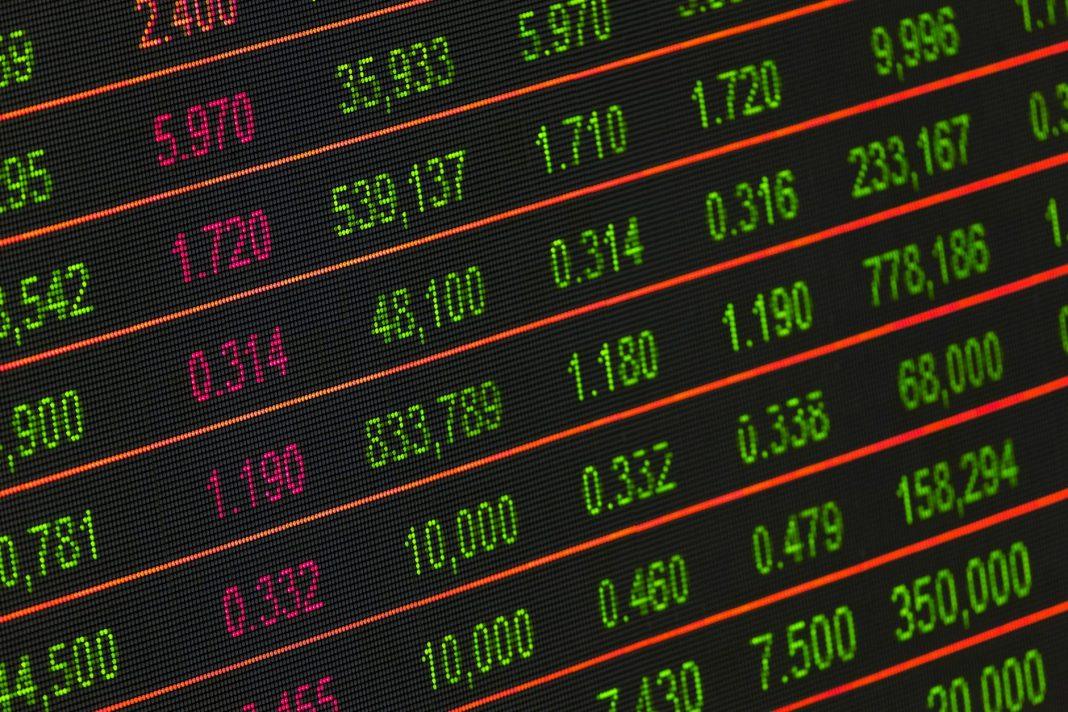
The allure of rapid wealth is powerful, but it usually comes tethered to significant risk. When someone promises you the ability to double your money in six months, they are either selling you something unsustainable or exposing you to volatility that could wipe out your principal just as quickly.
The High Cost of High Risk
“Quick” wealth strategies often involve:
- Speculative Investing: Pouring money into highly volatile assets (like meme stocks or unproven new cryptocurrencies) hoping for a massive spike. While some win, most lose substantial capital trying to time the market.
- Excessive Leverage: Using borrowed money to amplify potential gains. Leverage magnifies losses just as effectively as it magnifies gains, leading to rapid bankruptcy if the market moves against you.
- Unsustainable Business Models: Launching a business based on hype rather than proven demand, leading to burnout and failure once the initial buzz fades.
These methods create lottery winners, not reliable wealth builders. For the average person seeking genuine financial security, chasing these shortcuts is the slowest way to remain perpetually broke or constantly recovering from setbacks.
The Unbeatable Power of Compounding
The core engine of getting rich slowly is compound interest. Albert Einstein is often credited with calling compound interest the eighth wonder of the world. It is the process where the earnings from your investments are reinvested to generate their own earnings.
How Compounding Works in Practice
Imagine two investors, Alice and Bob, both aiming for $1 million.
| Investor | Annual Contribution | Annual Return | Time to Reach $1M |
|---|---|---|---|
| Alice (Slow & Steady) | $10,000 | 8% | ~26 Years |
| Bob (Aggressive/Quick) | $20,000 | 15% (Highly Unlikely) | ~19 Years |
While Bob reaches the goal faster, he must consistently achieve an aggressive, high-risk return (15%) and double his savings rate. Alice, using a historically reliable market average (8%) and a modest savings rate, reaches the goal securely.
The true magic happens when you look at the later years. In the final decade of Alice’s journey, the majority of her growth comes not from her contributions, but from the interest earned on her existing interest. This snowball effect is impossible to replicate with quick schemes; it requires time to build momentum.
The Pillars of Slow Wealth Building
Getting rich slowly is less about luck and more about implementing a set of disciplined, repeatable behaviors. These pillars ensure you stay in the game long enough for compounding to work its magic.
1. Consistency Over Intensity
The most critical element is showing up every month, regardless of market conditions.
- Dollar-Cost Averaging (DCA): By investing a fixed amount of money at regular intervals (e.g., $500 every payday), you automatically buy more shares when prices are low and fewer shares when prices are high. This smooths out volatility and removes the need to “time the market”—a near-impossible feat.
- Automated Savings: Set up automatic transfers from your checking account to your investment accounts immediately after you get paid. If you never see the money, you won’t miss it, ensuring your savings rate remains high without requiring daily willpower.
2. Maximizing Your Earning Years
Slow wealth building doesn’t mean being passive about your income. It means strategically increasing the input to your compounding machine.
- Career Growth: Focus on developing high-value skills that lead to promotions and salary increases. A 5% annual raise, consistently applied, dramatically shortens the timeline compared to hoping for a 50% market return.
- Side Hustles (Smartly): Use side income not for immediate consumption, but to aggressively fund your investment accounts. This accelerates the principal base without taking on risky investment strategies.
3. Minimizing Drag: The Importance of Low Costs
Every dollar spent on fees or unnecessary interest is a dollar that cannot compound for you. Slow wealth prioritizes efficiency.
- Low-Cost Index Funds: Instead of paying high management fees (often 1% or more) to actively managed mutual funds, invest in broad-market index funds (like those tracking the S&P 500). These funds have minuscule expense ratios (often 0.03%), meaning almost all your returns stay in your pocket to compound.
- Debt Management: High-interest debt (like credit cards or personal loans) acts as a guaranteed negative return, often exceeding 20%. Paying off this debt is the highest guaranteed return you can achieve, effectively accelerating your wealth by eliminating a massive financial drag.
4. Emotional Discipline and Patience
This is where most people fail the “slow” approach. When the market inevitably drops (a correction or bear market), the temptation to sell everything and wait for things to recover is immense.
- The “Stay Invested” Rule: Historically, every major market downturn has been followed by a recovery, often reaching new highs. Selling during a dip locks in losses and pulls your money out of the market just before the recovery begins.
- Focus on Time Horizon: If your goal is 20+ years away, daily or monthly market fluctuations are irrelevant noise. Your focus should remain on increasing contributions and rebalancing annually, not checking stock prices hourly.
The Psychological Advantage of “Slow”
Beyond the mathematical benefits, the slow approach offers profound psychological advantages that contribute to long-term success.
Reduced Stress and Burnout
Chasing quick riches is stressful. It requires constant monitoring, high emotional swings, and often leads to burnout when the inevitable setbacks occur. The slow, steady approach allows you to build wealth in the background while focusing your energy on your career, family, and life. You are not betting your future; you are building it brick by brick.
Building Financial Literacy
When you invest slowly and consistently, you learn through observation rather than panic. You witness market cycles firsthand—the boom, the correction, and the recovery—without the pressure of having your entire net worth on the line in a single, speculative trade. This experience builds genuine financial wisdom, which is far more valuable than any single investment win.
Sustainable Lifestyle Inflation Control
The slow path naturally encourages a healthier relationship with money. Because wealth accrues gradually, you are less likely to experience sudden, massive windfalls that lead to immediate, unsustainable lifestyle inflation (buying a mansion or luxury car the moment you feel rich). Instead, wealth grows alongside your comfort level, leading to genuine, lasting financial security.
Conclusion: The Fastest Route is the One You Stick To
Getting rich slowly is not a passive strategy; it is an active commitment to superior financial mechanics over emotional impulse. It acknowledges that while extraordinary luck can create overnight millionaires, consistent discipline creates reliable millionaires.
By automating your savings, minimizing costs, focusing on career growth, and harnessing the relentless power of compounding over decades, you are choosing the path that has proven successful for generations of investors. In the long run, the strategy you can stick with—the one that minimizes risk and maximizes time—will always prove to be the fastest way to genuine, lasting wealth.