
- The Commitment: Setting Up the Tracking System
- Choosing the Right Tools
- Defining “Every Dollar”
- Phase One: The Shock of the Small Leaks (Months 1-3)
- The Subscription Creep Epidemic
- The Convenience Tax
- Phase Two: Uncovering Hidden Assets and Waste (Months 4-8)
- The Banking Black Hole
- The Insurance Overpayment Mystery
- Phase Three: Behavioral Shifts and Long-Term Gains (Months 9-12)
- The Grocery Game Changer
- The Power of the “Wait Period”
- The Final Tally: Money I Didn’t Know I Had
- Conclusion: Clarity is Currency
I Tracked Every Dollar for a Year and Found Money I Didn’t Know I Had
We all think we know where our money goes. We have a general sense of our major expenses—rent, groceries, the occasional splurge—but the day-to-day reality is often a fuzzy landscape of small, forgotten transactions. Like many people, I operated under the assumption that I was reasonably frugal and financially aware.
Then, I decided to conduct a year-long, meticulous experiment: I would track every single dollar that moved in or out of my accounts. No rounding, no guessing, no “it was just a coffee.” This wasn’t about extreme deprivation; it was about radical clarity.
What I discovered over those 365 days wasn’t just where my money was going; it was a hidden reservoir of forgotten funds, wasteful habits, and untapped savings potential. This is the story of how forensic budgeting unearthed thousands of dollars I didn’t know I had.
The Commitment: Setting Up the Tracking System
The first hurdle was establishing a system robust enough to handle daily transactions without becoming an overwhelming chore. I needed something that allowed for quick entry but deep analysis later.
Choosing the Right Tools
I tested several methods before settling on a hybrid approach that maximized efficiency:
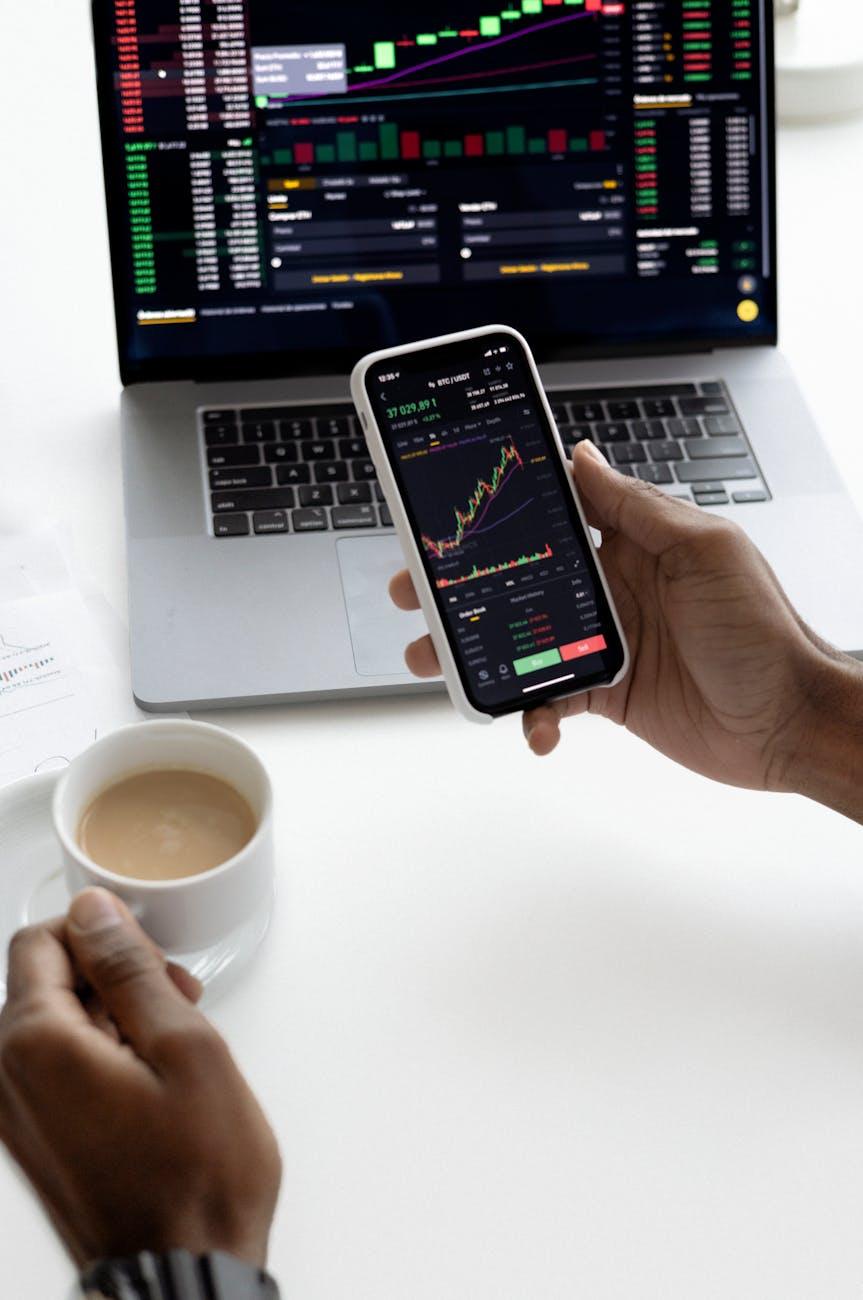
- The Digital Hub (Primary): I used a dedicated budgeting app (like YNAB or a similar zero-based budgeting tool) linked to my primary checking and credit card accounts. This provided real-time transaction feeds.
- The Daily Dump (Verification): Every evening, I spent five minutes reviewing the day’s transactions. If an automatic categorization was wrong, or if I used cash, I manually entered the transaction into a detailed spreadsheet. This forced me to confront every purchase.
- The Cash Envelope (For Problem Areas): For areas where I consistently overspent (dining out, entertainment), I temporarily reverted to using physical cash envelopes. Seeing the physical money disappear was a powerful psychological deterrent.
Defining “Every Dollar”
This was crucial. “Every dollar” meant:
- Income: Net pay, side hustle earnings, dividends, even that $10 refund check.
- Expenses: From the $4,000 mortgage payment down to the $1.50 vending machine soda.
- Transfers: Moving money between savings accounts or investment platforms.
The goal wasn’t just tracking outflow; it was understanding the flow of all capital.
Phase One: The Shock of the Small Leaks (Months 1-3)
The initial three months were the hardest, primarily due to the sheer volume of data and the dawning realization of my spending habits. This is where the “forgotten money” first started to surface.
The Subscription Creep Epidemic
I thought I was savvy about subscriptions. I reviewed them quarterly. Tracking daily, however, revealed a horrifying truth: I was paying for services I hadn’t used in months.
| Subscription | Monthly Cost | Annual Cost | Usage Frequency |
|---|---|---|---|
| Premium Music Tier | $12.99 | $155.88 | Daily (Necessary) |
| Cloud Storage (Redundant) | $9.99 | $119.88 | Never |
| Niche Fitness App | $19.99 | $239.88 | Twice in 6 months |
| News Aggregator | $7.99 | $95.88 | Sporadically |
The Discovery: By canceling the three non-essential services, I instantly freed up $45.86 per month, totaling nearly $550 annually, without changing my lifestyle one bit. This was the easiest money I “found.”
The Convenience Tax
My biggest shock came from small, recurring convenience purchases. I work remotely, and the temptation to grab a coffee or a quick lunch near my home office was constant.
- Daily Coffee Run: $5.50 average, 5 days a week = $27.50/week, or about $1,430 per year.
- Impulse App Purchases: Small in-app upgrades or convenience fees on delivery apps totaled nearly $400 over the year.
By committing to making coffee at home 80% of the time, I saved over $1,100 just on caffeine. This wasn’t about giving up coffee; it was about recognizing the cost of the habit.
Phase Two: Uncovering Hidden Assets and Waste (Months 4-8)
Once the immediate leaks were plugged, the focus shifted to deeper, less obvious areas: recurring fees, forgotten accounts, and inefficient spending structures.
The Banking Black Hole
I had multiple checking accounts spread across different institutions from job changes or past moves. I assumed they were all dormant or empty.
The Audit:
- Old Savings Account: Found $350 sitting in an account opened in 2012 that earned 0.01% interest. I immediately transferred it to a High-Yield Savings Account (HYSA).
- Unclaimed Rebates: Reviewing old credit card statements revealed several pending rebates I had forgotten to claim, totaling $112.
- Overdraft/Fee Analysis: By tracking every bank fee, I realized one specific checking account had charged me $15 in monthly maintenance fees because my balance occasionally dipped below the minimum threshold—a threshold I was unaware of. Canceling that account saved $180 annually.
The Finding: By consolidating and optimizing my banking, I recovered about $650 in stagnant funds and avoided future fees.
The Insurance Overpayment Mystery
Insurance is a classic area for passive overspending. I was paying for comprehensive car insurance on a vehicle that was nearly paid off and well below its replacement value.
I called my agent, armed with data from three competing quotes I had gathered during the tracking period. The result?
- I raised my deductible slightly (a calculated risk I was comfortable with).
- I dropped an unnecessary roadside assistance package that was duplicated by my credit card benefits.
The Result: A reduction of $75 per month on auto insurance, saving $900 annually. This money was simply being handed over because I hadn’t shopped around in three years.
Phase Three: Behavioral Shifts and Long-Term Gains (Months 9-12)
The final phase wasn’t about finding one-time savings; it was about cementing new habits that generated ongoing, sustainable savings.
The Grocery Game Changer
Groceries were my largest variable expense. Tracking every item revealed patterns of waste that were invisible when only looking at the total receipt.
Key Insights from the Data:
- The “Use It or Lose It” Category: Fresh produce and specialty dairy items often spoiled before use, costing an average of $30 per month in waste.
- The Bulk Buy Trap: Buying massive quantities of non-perishables when they weren’t on a deep discount led to storage issues and eventual expiration.
The Fix: I implemented a strict “Use It Up” week before major grocery trips. I also shifted 70% of my bulk buying to scheduled sales cycles rather than impulse buys.
The Savings: Reduced monthly grocery spending by 12% overall, translating to roughly $1,500 saved over the year through reduced waste and smarter purchasing.
The Power of the “Wait Period”
For any non-essential purchase over $50, I instituted a mandatory 48-hour waiting period. If I still wanted the item after two days, I could buy it—but only if the money was already budgeted for it.
This simple behavioral hack neutralized impulse buying. Many items—a new gadget, an extra piece of clothing—simply evaporated from my mental shopping cart during that waiting period. This habit alone saved me an estimated $1,200 in discretionary spending that I would have otherwise categorized as “Oops, I bought it.”
The Final Tally: Money I Didn’t Know I Had
After 12 months of meticulous tracking, the results were staggering. This wasn’t money earned; it was money reclaimed from inefficiency, forgetfulness, and habit.
| Source of Found Money | Annual Savings/Recovery |
|---|---|
| Canceled Subscriptions | $550 |
| Reduced Coffee/Convenience Spending | $1,100 |
| Banking Consolidation & Fee Avoidance | $650 |
| Insurance Optimization | $900 |
| Reduced Grocery Waste/Smarter Buying | $1,500 |
| Avoided Impulse Purchases (Wait Period) | $1,200 |
| Total Found Money | $5,900 |
Five thousand, nine hundred dollars. That was the amount of money I was actively letting slip through my fingers every year simply because I wasn’t paying attention to the details.
This money wasn’t found under the couch cushions; it was hidden in plain sight, disguised as routine.
Conclusion: Clarity is Currency
Tracking every dollar for a year was an intense exercise, but the payoff extended far beyond the immediate financial gains. The true treasure wasn’t the $5,900; it was the financial literacy gained.
When you track every transaction, you stop viewing money as an abstract concept and start seeing it as a finite resource that requires conscious direction. You learn the true cost of convenience, the danger of inertia, and the power of small, consistent adjustments.
If you feel like you should be saving more but can’t figure out why, I urge you to try this experiment. You may be shocked to find that you aren’t poor—you are simply unaware of the hidden pockets of wealth waiting to be unlocked within your own spending habits.