
- The Setup: Going Cold Turkey on Plastic
- Establishing the Rules
- The Initial Shock: The “Cash Desert” Feeling
- The Unexpected Benefits: Reclaiming Financial Control
- 1. The Pain of Paying Became Real Again
- 2. Budgeting Transformed into Envelope System Mastery
- 3. A Massive Reduction in Impulse Buying
- The Challenges: Where Cash Falls Short
- 1. Inefficiency and Time Consumption
- 2. Security and Risk
- 3. Tracking and Record Keeping
- The Surprising Final Tally and Takeaways
- Key Metrics from the 3-Month Experiment:
- Conclusion: Finding the Hybrid Balance
I Switched to Cash Only for 3 Months: The Surprising Results of a Digital Detox
In an age dominated by contactless payments, digital wallets, and one-click purchases, the idea of intentionally reverting to physical cash can feel almost archaic. We swipe, tap, and pay without a second thought, enjoying the frictionless convenience that modern finance offers. But what happens when you intentionally remove that convenience?
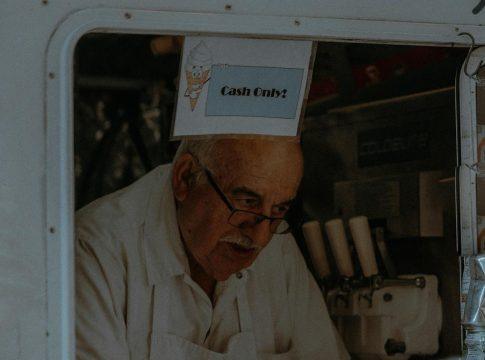
For the last three months, I decided to conduct a personal experiment: I switched entirely to cash-only transactions. No debit cards, no credit cards, no digital transfers—just paper and coins. My goal was simple: to understand if the physical act of handing over money could fundamentally change my spending habits, my relationship with budgeting, and my overall financial awareness.
The results were, frankly, surprising. While the initial adjustment was jarring, the long-term effects on my spending discipline and appreciation for my money were profound.
The Setup: Going Cold Turkey on Plastic
The decision to go cash-only wasn’t born out of a desire to be completely off-grid, but rather a response to creeping financial ambiguity. I found myself constantly overspending because the pain of payment was invisible. A $5 coffee purchase felt the same as a $50 grocery run when both were just a tap of the phone.
Establishing the Rules
Before starting the experiment, I established clear ground rules:
- Withdrawal Day: Every Sunday evening, I would withdraw the exact amount budgeted for the upcoming week in various denominations.
- No Digital Backup: If the cash ran out, that category was closed until the next withdrawal day. No exceptions, no emergency card swipes.
- Exclusions: Rent, utilities, and recurring subscriptions (like streaming services) were allowed to remain on auto-pay, as these were fixed costs that didn’t reflect daily spending habits. Everything else—groceries, dining out, entertainment, gas, personal care—had to be cash.
The Initial Shock: The “Cash Desert” Feeling
The first week was a steep learning curve. I quickly realized how many places still prefer or exclusively use digital payments.
- Online Shopping: This was completely eliminated. No Amazon, no online food delivery, no impulse buys from Instagram ads. This immediately cut down on non-essential spending by about 20%.
- Tipping: Tipping service workers became awkward. I had to remember to carry small bills specifically for this purpose, which often meant I was tipping less than I would have digitally, or I had to ask the waiter to add a large tip to a small bill just to break a $20.
- Small Purchases: Buying a single bottle of water or a cheap snack required breaking a larger bill, which meant I was constantly trying to keep a healthy supply of singles and fives.
The Unexpected Benefits: Reclaiming Financial Control
While the initial friction was high, the benefits quickly began to surface, primarily centered around mindfulness and budgeting precision.
1. The Pain of Paying Became Real Again
This was the most significant finding. Handing over a stack of bills or watching a cashier count out my change creates a tangible, psychological moment of exchange. You see the money physically leave your possession.
When using a card, the transaction is abstract. With cash, it’s concrete. I vividly remember hesitating before buying a $15 bottle of wine because I had to physically see $15 leave the envelope dedicated to “Entertainment.” This hesitation—this moment of friction—was the built-in brake I desperately needed.
2. Budgeting Transformed into Envelope System Mastery
The traditional “envelope system” is often touted as a great budgeting tool, but it only truly works when you commit to it. By forcing myself to use cash, I essentially adopted a real-world, physical envelope system for my weekly spending.
I organized my cash into labeled envelopes:
- Groceries ($150)
- Gas ($60)
- Dining Out ($50)
- Personal/Miscellaneous ($40)
When the “Dining Out” envelope was empty by Wednesday, that meant no more restaurant meals for the week. There was no checking an app balance; the answer was plainly visible in the thickness of the paper stack. This immediate, tangible feedback loop made me far more disciplined than any budgeting app ever had.
3. A Massive Reduction in Impulse Buying
The elimination of online shopping was a huge factor, but even in physical stores, cash deterred impulse buys. If I was browsing the checkout aisle and saw a candy bar, I had to ask myself: “Is this candy bar worth one of my precious $1 bills?”
When using a card, the question is: “Is this worth $1.50 of my available credit limit?” The latter question is far easier to answer affirmatively. The former requires genuine consideration of the physical resource being depleted. Over the three months, my spending on non-essential items dropped by nearly 40% compared to the previous quarter.
The Challenges: Where Cash Falls Short
While the discipline was excellent, the cash-only life is not without its significant drawbacks in the modern economy.
1. Inefficiency and Time Consumption
Everything took longer. Waiting in line behind someone paying for a $2 item with a $100 bill was frustrating for everyone involved. Counting change, making sure I had the right denominations, and physically visiting the ATM once a week added administrative overhead to my finances that digital payments eliminate.
2. Security and Risk
Carrying large amounts of cash felt inherently risky. I was constantly worried about losing my weekly budget in a misplaced wallet or theft. This anxiety was a major psychological downside. While digital money can be frozen or recovered, lost cash is gone forever.
3. Tracking and Record Keeping
At the end of the three months, compiling my final spending report was tedious. I had to manually tally receipts and bank withdrawals. While I knew how much I spent in each category, I couldn’t easily recall what I bought without digging through crumpled receipts. Digital transactions automatically categorize and log data, which is a massive advantage for long-term financial analysis.
The Surprising Final Tally and Takeaways
After 90 days, the experiment concluded. My bank account showed a noticeable increase in savings, and my overall debt (what little I had) remained untouched. The most surprising result wasn’t the amount saved, but the shift in my perception of value.
I stopped viewing money as an infinite, abstract resource tied to a plastic rectangle and started viewing it as finite, physical energy that required work to earn and careful thought to spend.
Key Metrics from the 3-Month Experiment:
| Category | Pre-Experiment Average (Digital) | Cash-Only Average (Physical) | Change |
|---|---|---|---|
| Dining Out | $250/month | $140/month | -44% |
| Miscellaneous/Impulse | $180/month | $110/month | -39% |
| Total Variable Spending | $1,200/month | $950/month | -21% |
The reduction in variable spending was significant, proving that friction in the payment process is a powerful tool for financial restraint.
Conclusion: Finding the Hybrid Balance
Would I recommend going fully cash-only forever? No. The modern world demands a degree of digital convenience that cash simply cannot provide, especially regarding security and online access.
However, the three-month detox was invaluable. It served as a powerful reset button for my spending habits.
My approach moving forward is a hybrid model, informed by the lessons learned:
- Cash for Variable Spending: I will continue to use the envelope system for discretionary spending categories like dining, entertainment, and personal care. This keeps the “pain of paying” alive where impulse spending is highest.
- Digital for Essentials and Security: Bills, large purchases, and online needs will remain digital for efficiency and security.
The cash-only experiment didn’t just save me money; it taught me how I spend money. It forced me to confront the reality of my finances one crumpled bill at a time, a lesson that no budgeting app could ever truly replicate. If you feel your spending is out of control, try removing the digital buffer—even for just one month—and watch how quickly your awareness sharpens.